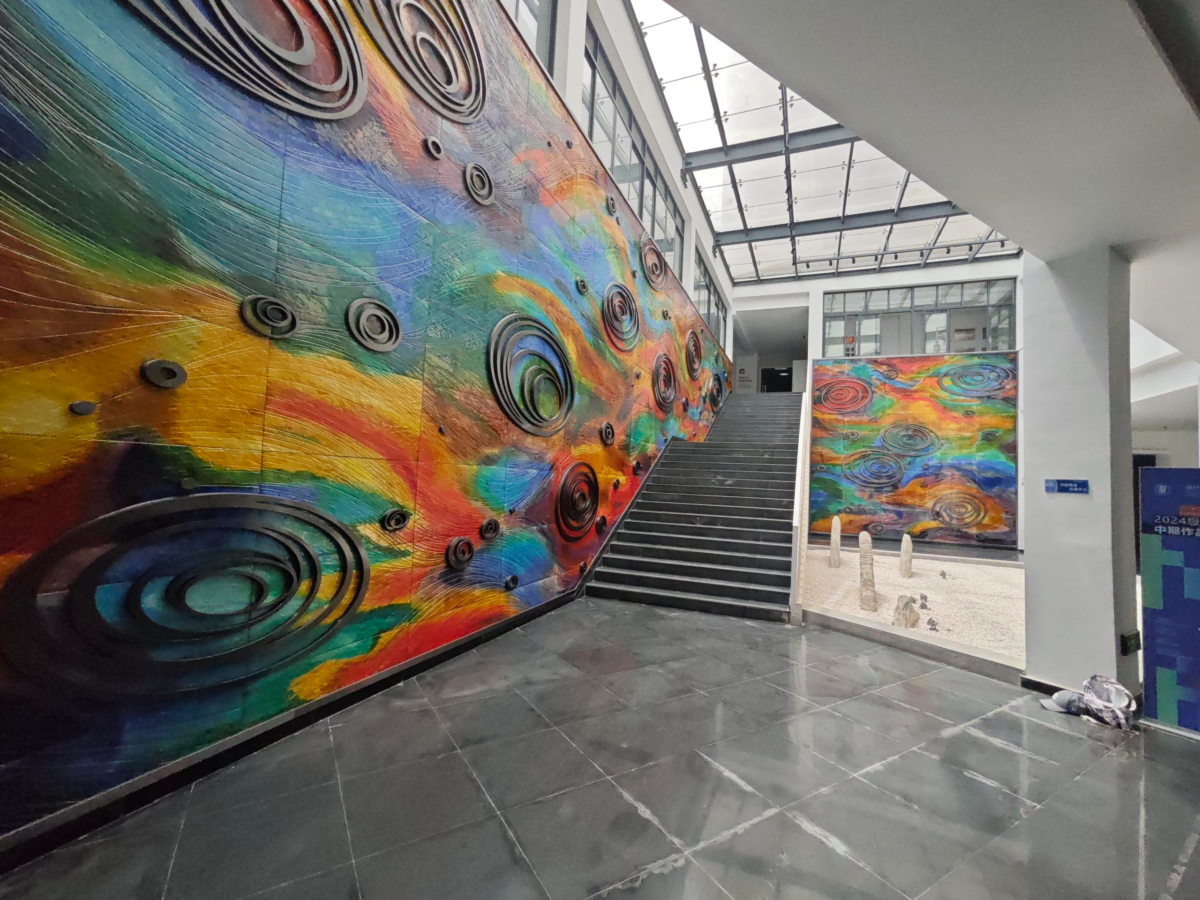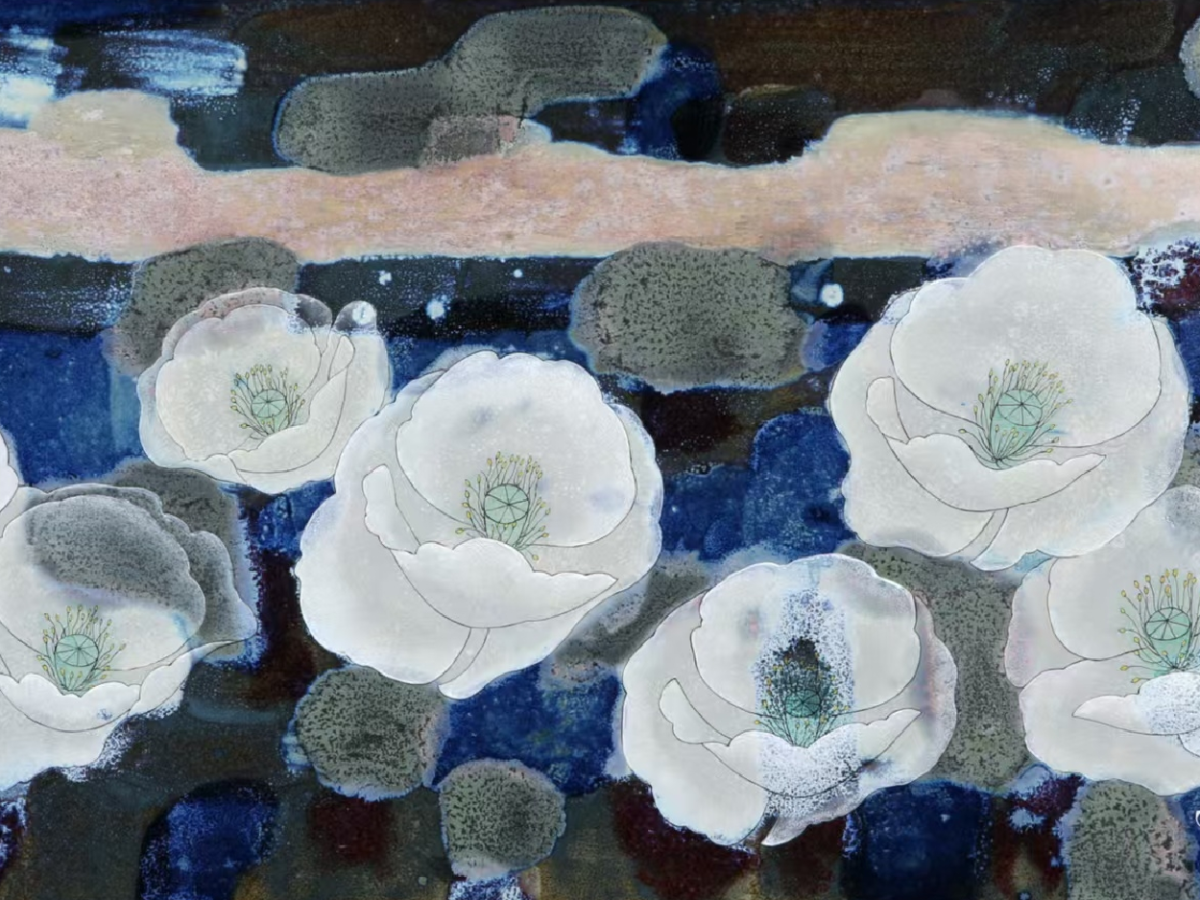
Pottery model constitutes a impressive expression style with a enduring history, spanning back legions of eras. From ancient urns to cutting-edge displays, the stuff offers unsurpassed possibilities for creative articulation. Designers utilize different techniques – including assembling, wheel operating, and sophisticated firing processes – to convert humble terracotta into pleasing three-dimensional pieces. The resilience of fired terracotta also contributes to its status as a truly noteworthy part of human culture.
Examining Terracotta Tablet Configurations and Strategies
The realm of ceramic panel design offers a broad array of inventive possibilities. Makers often explore a variety of classic and new techniques to form visually eye-catching pieces. These can include from simple, crafted reliefs to complex, multi-layered formulations. Conventional methods include slip casting, hand shaping, varnishing – which can involve a range of forms like sub-glaze artwork, post-firing embellishment, and engraved motif where designs are brought out by scraping a layer of glaze. Further exploration into outer appearances such as raku and lustering can produce truly distinctive and personalized brick shields.
- Template Making - Making pieces using a template
- Forming by hand - Carefully molding the earth
- Glaze Application - Smearing the layer with a glossy finish
- Incised pattern - Uncovering designs by scraping covers
Enveloping Experiences: Earthenware Art Installations
The progressing landscape of visual arts presents exciting original avenues for audiences, and ceramic art installations are at the apex of this revolution. These aren't just static pieces; they are fabricated to envelop the participant in a sensory atmosphere. Imagine walking through a forest of towering, finished ceramic trees, or navigating a web of delicate ceramic vessels. Many artisans are now incorporating sonics, light, and even essence to enhance the impact of their work. Contemplate the power of a room filled with hundreds of meticulously ceramic items, each telling a fable. Regularly, such installations scrutinize themes of ecosystem, recollection, and personhood.
- Such installations blur the thresholds between work and venue.
- Participating in a ceramic art installation can be a deeply personal journey.
- Craftsmen are extending the thresholds of what is possible with clay.
Such Allure of the Terracotta Pot: Utility and Form
The stoneware vessel represents a admirable union of functionality and decorative appeal. Historically, these containers served a fundamental job in storing items, but their evolution has transformed them into highly valued works of expression. Each element showcases the expertise of the maker, demonstrating how profile can be as significant as utility. The conscientious shaping, the distinctive glazes, and the full presence of a masterfully-crafted container can lift a space, offering both magnificence and a quiet reminder of the craftsman’s hand.
State-of-the-art Pottery Work : Reaching Perimeters
Modern earthenware figure represents a fascinating development from classic practices. Makers are vigorously advancing with cutting-edge tactics, mixing the distinctions between pottery and separate aesthetic categories. From considerable installations to intricate miniature pieces, such works examine themes of persona while parallelly remodeling the basic of what porcelain can demonstrate. The upshot is a dynamic landscape of creative design.
Clay Tablet: Safeguarding Tradition in Earth
Clay plaques offer a remarkable method for memorializing significant events and individuals. Compared to traditional metal or stone markers, these resilient pieces of craftsmanship are formed from hardened clay, creating a tangible link to the past. Often, they illustrate intricate models or precisely drawn imagery, portraying stories that might otherwise be neglected. That technique, coming from ceramic sculpture ancient societies, provides a aesthetically pleasing and lasting way to respect our collective chronicle.
- The described can be positioned in shared spaces.
- Numerous are now accepted historical remnants.
Stoneware Art Exhibits: Redefining Places
Stoneware art installations are developing a significant medium for builders to transform public and private spaces. These immersive pieces frequently involve significant clay figures that surround viewers, redirecting their appreciation of the designed environment. By incorporating diverse ways like manual assembly and complex firing procedures, ceramic artists generate truly original experiences, removing the lines between form and structure. The effectiveness is often a powerful alteration that boosts the artistic quality of the environment and promotes debate.
Commencement Wheel to Spectacle: The Craft of the Porcelain Pot
The journey of a stoneware vase from a simple lump of mud to a finished work of mastery is a testament to human ingenuity. Previously, the process begins with the potter’s rotating tool, where the knowledgeable artisan crafts the rotary mud into a cylindrical profile. This initial step demands skilfulness and a trained eye, followed by a delicate solidifying period. Once bisque-fired, the urn is ready for finishing, which may include coating intricate figures, engraving detailed depictions, or implementing a assortment of varnishes. The closing firing process then modifies the product into a durable and eye-catching pot, a tangible expression of the builder's vision.
Working with Stoneware: A Primer to Ceramic Creation
Investigating the area of brick art begins with knowing the principles of crafting with porcelain. This method entails deliberately incorporating and chiseling volume to create three-dimensional forms. Whether you're a newcomer or a proficient creator, engaging with multiple forms of brick – namely earthenware – will help you uncover your individual approach. In the end, clay working is a satisfying exploration that blends artistic ability with artistic representation.