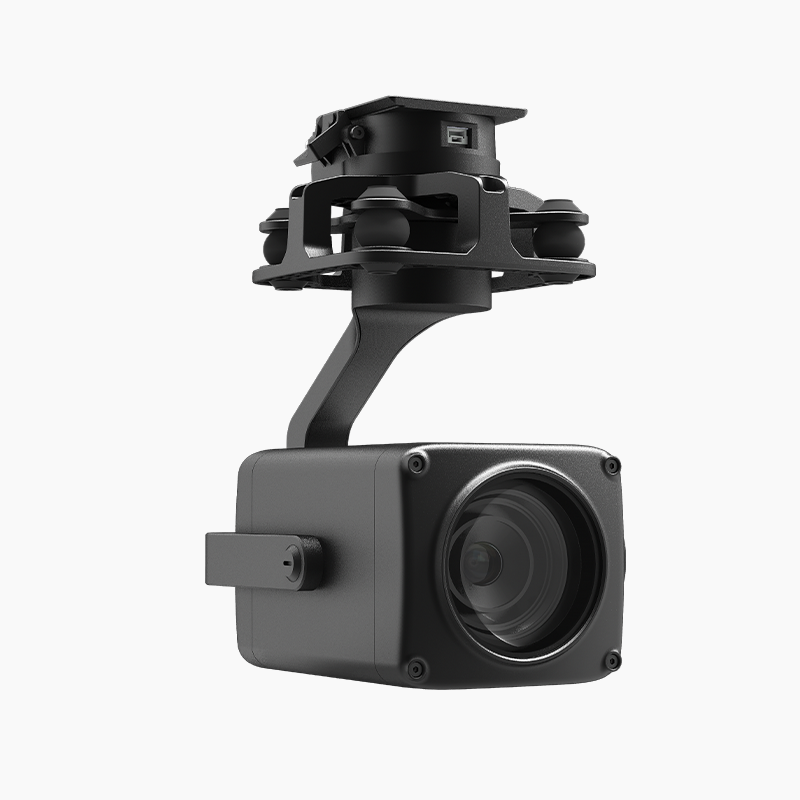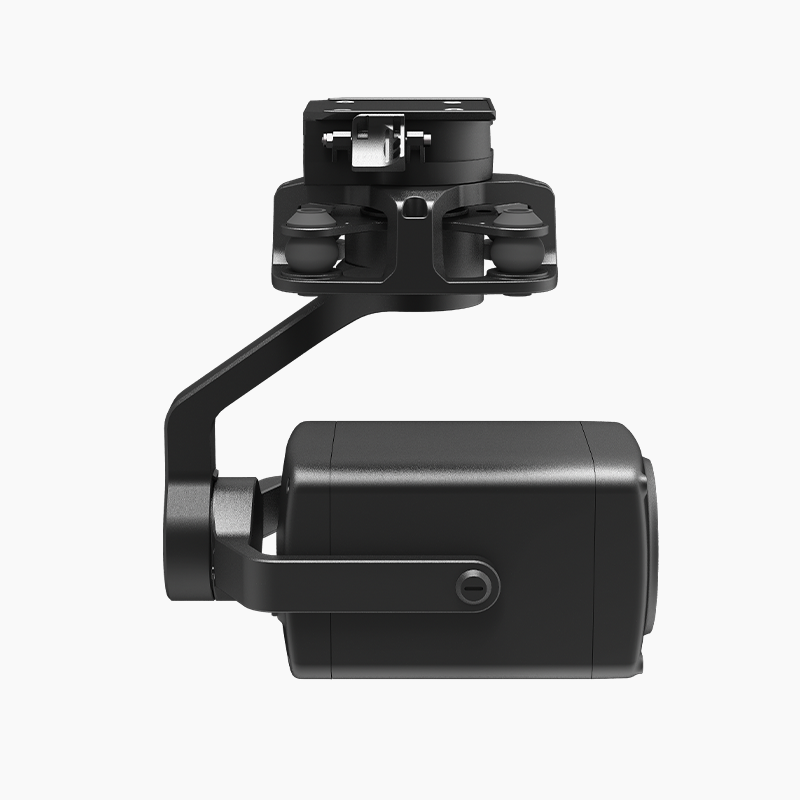
Greetings at one thorough examination related to suspension mechanisms combined with infrared-based imaging of airborne platforms.
Suspension Uses within Remote Drone Camera Innovations
Aerial systems are undergoing remarkable upgrades in camera instruments. Advanced gimbal platforms now facilitate incredibly reliable footage, even turbulent situations. Furthermore, the incorporation of thermal vision offers extraordinary opportunities for assessment in fields like building, conveying valuable knowledge beyond what visible light cameras can detect. These merged technologies are greatly remodeling the sector of aerial shooting.
Zooming into the Night: UAV Systems with Low-Light & Mounting Systems
The up-to-date landscape of unmanned aerial machines is being upgraded by advancements in camera specifications. Uniquely, the combination of night vision methods and state-of-the-art gimbal structures allows for unprecedented focus during nighttime engagements. These strong cameras, often utilizing infrared systems, can reveal darkness, providing crucial knowledge for observation purposes. Concurrently, the gimbal methodology steadily minimizes oscillation, resulting in considerably balanced footage even in difficult conditions. Aspects like clarity and refresh rate are increasingly paramount for top output.
- Elevated Environmental Recognition
- Expanded Range of Performance
- Specific Content Compilation
Aerial Vehicle Camera Analysis: Gimbal, Infrared-Based Monitoring, Magnification & Low-Light Surveillance
Selecting the correct flying machine camera is a multifaceted selection. Reflect on the various styles available: mounted systems deliver smooth, flawless footage; thermographic cameras shine in dim conditions by identifying heat indications; telephoto lenses enable you to extend distant items; and night vision tools utilize enhanced devices to collect imagery in limited light. The recommended mix is influenced by the designated use.
Such Emerging of Remote-Controlled Optical Devices: Consolidating Thermal & Dusk Vision
Commonly, Drone instruments centered on traditional light photography. Conversely, advanced functions in areas like monitoring & support call for broadened environmental details. Integrating temperature-detecting components alongside night perception systems uav gimbal camera offers technicians a significant edge, granting them to spot items camouflaged from typical brightness. One combination considerably strengthens strategic performance across a extensive scope of deployments.Mounting Balance Blends with Thermal Vision: A New Era for UAV Imaging
The innovative time for aerial observation commenced, stimulated by a combination alongside refined balancing technology with sensitive temperature observation. The blend supports operators to record more precise thermal details using aerial platforms, although complex meteorological instances, uncovering new benefits amid numerous realms notably evaluation, reclamation combined with precision farm management.
Flying System Camera Telephoto Capabilities: Coordinating Length & Shadow Sight
Advancements in Autonomous System technology are constantly advancing camera range extension qualities, but a important challenge involves coordinating range and night monitoring. Extending your focus adjustment to obtain remote objects often degrades brightness sensitivity, enabling clear dim perception problematic. Manufacturers are researching state-of-the-art strategies, such as advanced camera models and computational improvements, to mitigate specific limitation and offer refined imagery at broad lengths, even under poor shine settings.
Picking certain Optimal UAV Sensor: Steadiness, Radiation, & Magnification Subjects
During selecting certain UAV device, varied vital aspects ought to be considered. Certain firm gimbal is imperative for steady aviation imaging , primarily in breezy atmospheres. Temperature instruments deliver priceless understanding for deployments like examination and support activities. Finally, long-range lens options provide more detailed visuals of targets, whereas enhanced magnification regularly comes diminished display resolution and calls for amplified illumination.
{Night Vision UAV Cameras: Boosted Safeguarding with Mounting Backing
Leading-edge aerial robots are advancing security systems with the application of night vision cameras. Importantly, balancing mechanism provides exceptional balance for the filming mechanism, helping clear recordings even in rough conditions or during flying. This trait materially improves observation capability and grants a indispensable plus for officials and other entities requiring consistent nighttime observation.
Innovative Autonomous Detection Frameworks: Combining Zoom Infrared & Dark Sensing
Modern autonomous flyers are progressively equipped with state-of-the-art camera packages that outshine basic recording. These advanced solutions customarily embed a conflation of robust technologies, consisting of variable focus capabilities for fine inspection, radiometric imaging to locate heat traces, and low-light vision capabilities to permit operation in difficult lighting conditions. This partnership provides pilots with a key lead in several areas, from emergency response to asset management and area observation.